There is a difference between a dress that looks like summer and a dress you can still stand in at four in the afternoon. Once the temperature sits above thirty, fit matters more than print, and airflow matters more than almost anything else.
These are the things worth checking before you buy.
Look for space, not shape
Anything that sits flat against the skin traps heat. The dresses that stay comfortable in real Australian heat are the ones that skim: an A-line, a tiered skirt, a wrap that ties rather than pulls, or a swing shape that falls away from the body below the bust.
That does not mean shapeless. A defined point at the narrowest part of your waist — a tie, a seam, a smocked panel — gives the eye a shape to read while the rest of the dress stays loose. It is the most reliable way to look pulled together and stay cool at once.
Sleeves are not the enemy
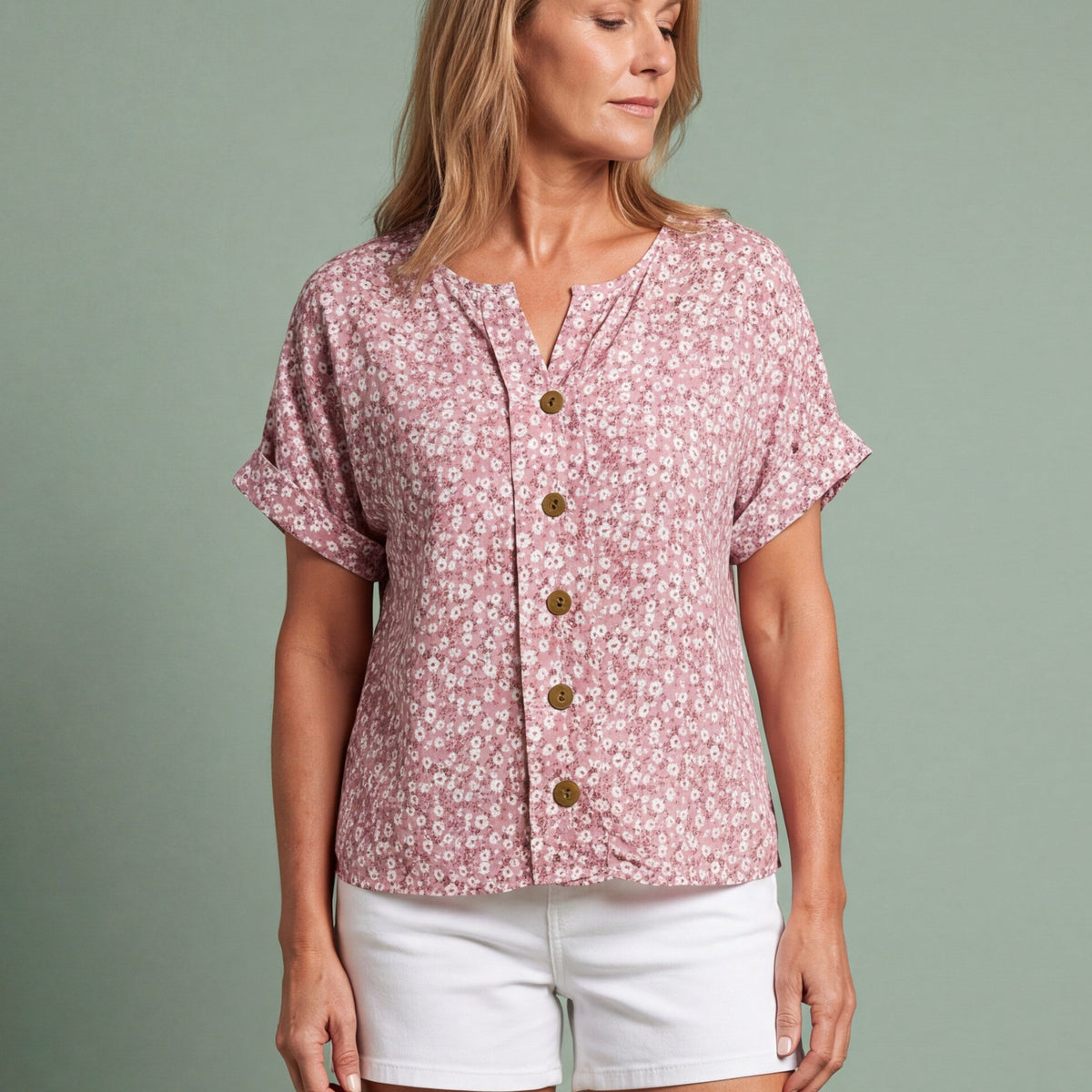
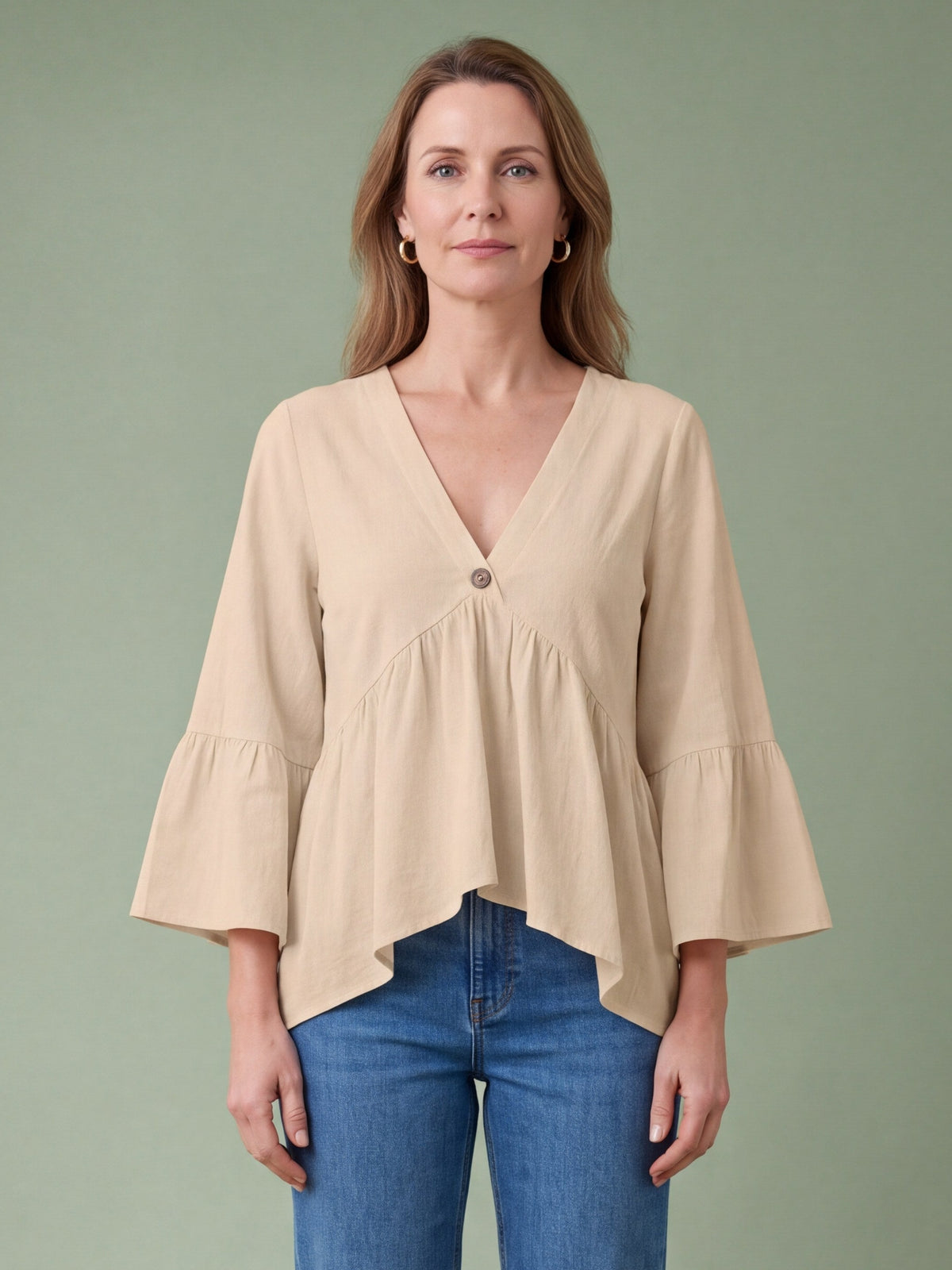
Plenty of women over fifty want a sleeve, and assume it means being hotter. A loose flutter, a short cuff or a wide elbow sleeve is usually cooler than bare arms under direct sun, because the fabric is doing the shading. What to avoid is a tight sleeve that grips the upper arm.
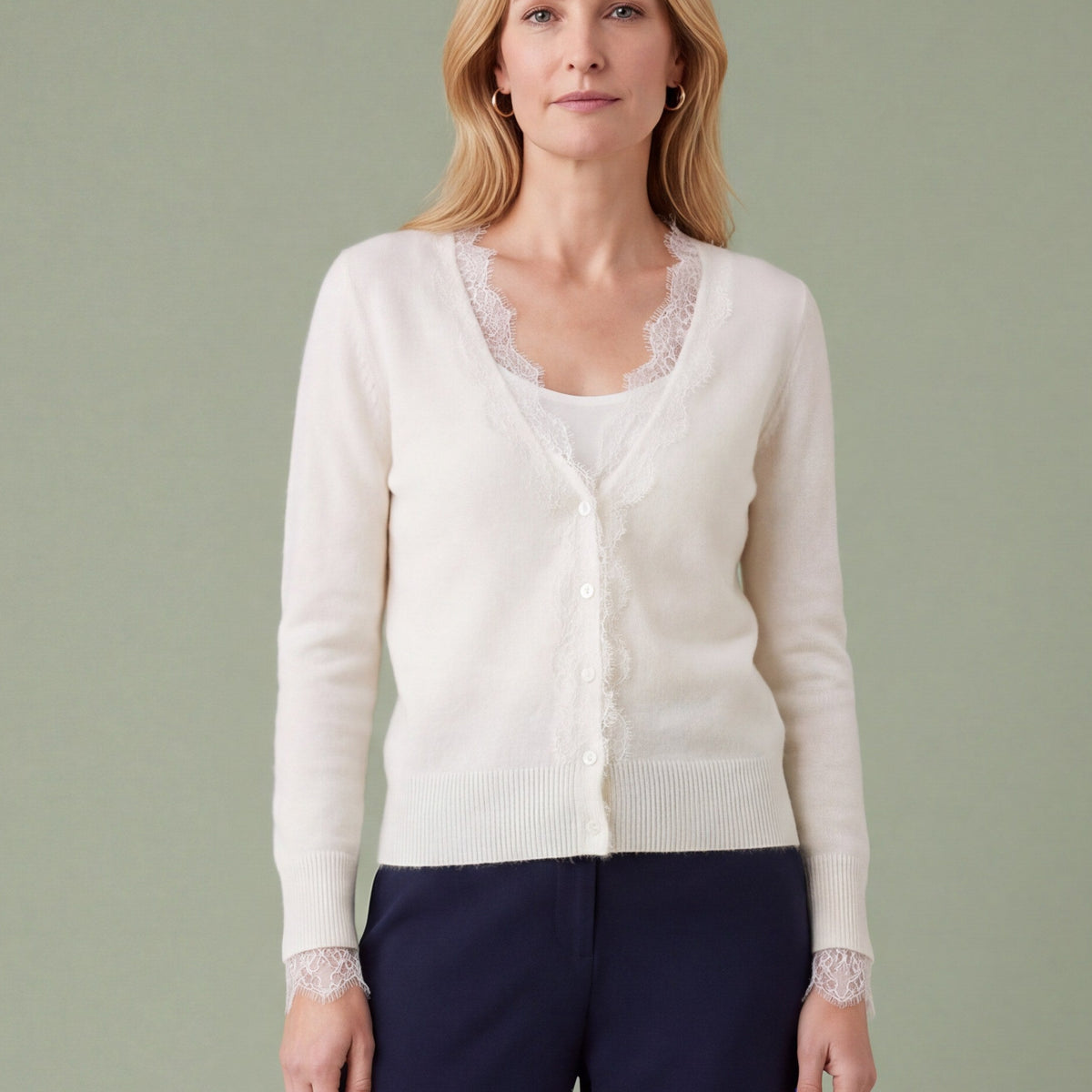
If you prefer a sleeveless dress, keep a light open layer for air conditioning and evenings. A fine knit cardigan does that without adding bulk to the outfit.
Choose the hem for the day you are having
- Midi is the all-rounder: cool, covered, appropriate everywhere from a café to a christening. Start with midi dresses.
- Maxi keeps the sun off your legs entirely, which matters more than people expect on a beach or boat day. See maxi dresses.
- Shorter shift and shirt dresses suit errands and travel days where you are in and out of the car.
Colour and print in strong light
Pale colours reflect heat, which is the physics answer, but they also show every mark and turn sheer in bright sun. A mid-tone or a print splits the difference: it hides the day, holds its colour outdoors and does not need a slip underneath. If you do wear white or cream, hold it up to a window before you commit.
What to wear underneath
Two small things solve most summer dress complaints. A seamless slip stops a light fabric clinging as the day heats up, and a bra with a wider band sits more comfortably than a strapless style under a loose bodice. Neither shows under a skimming cut.
Taking one dress from day to evening
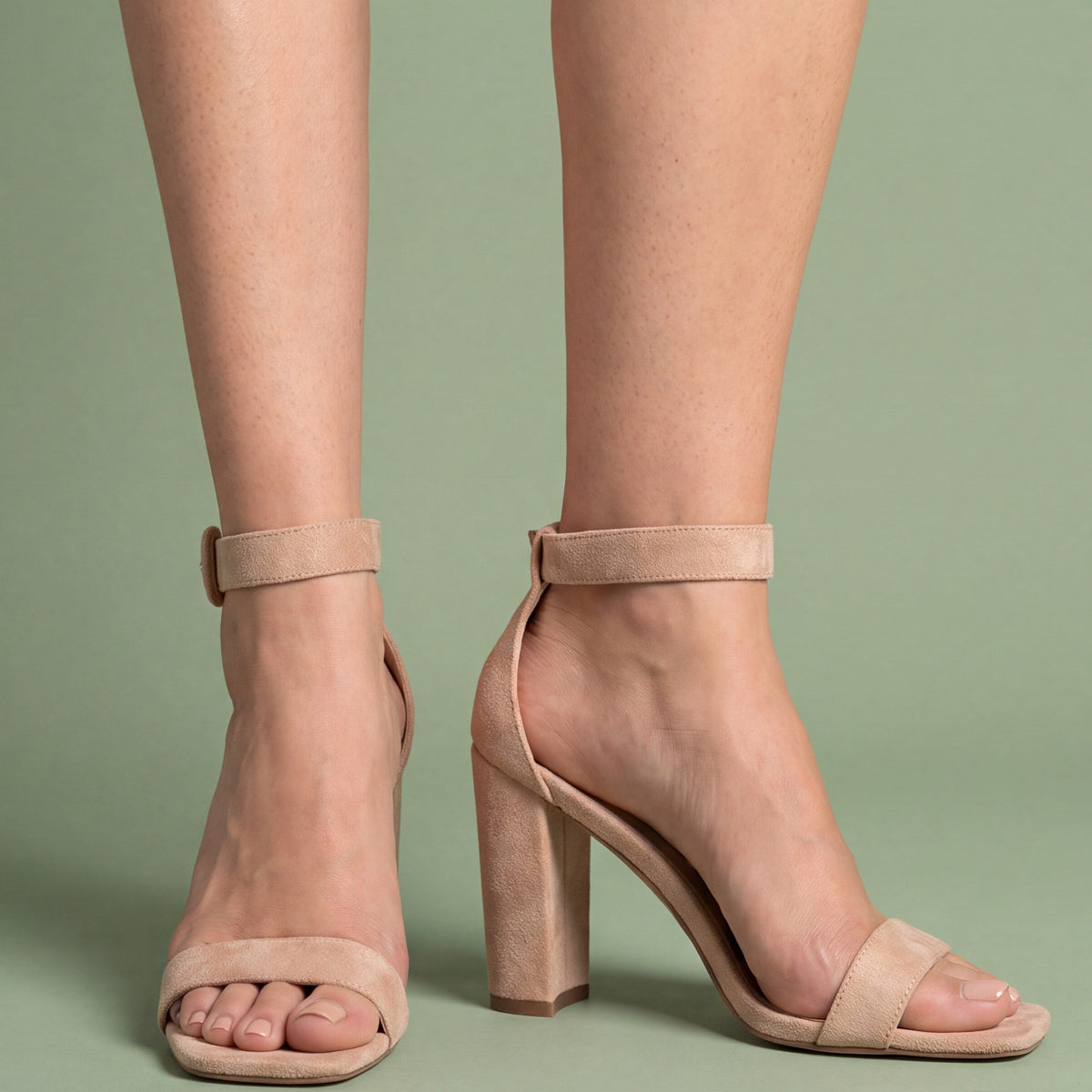
The reason a good summer dress earns its keep is that it changes with the shoes. A woven flat or a cushioned sandal makes it daywear; swap to a block heel and one piece of gold jewellery and the same dress sits comfortably at a summer dinner. Our guide to choosing comfortable sandals goes deeper on the footwear side.
Common questions
Which summer dress style is most flattering through the middle?
A wrap or tie-waist dress, because you set the tension yourself, and a tiered style that falls from just under the bust. Both give shape without pressure.
How many summer dresses do I actually need?
Three covers most summers: one printed midi for daytime, one plain dress that can take a heel for evenings, and one relaxed maxi or beach dress. See what to pack for a beach holiday for how that works away from home.
Can I wear a summer dress to a formal event?
A plain midi in a fluid fabric, with a heel and structured bag, reads as occasion wear. Browse the Races & Occasion edit for dresses cut with that in mind.